Sunday, February 15, 2026

facts

The quote attributed to Thomas Sowell in the image is accurate—he has made this exact statement (or very close variations of it) in his writings and interviews. Sowell, an economist and historian, often discusses the global history of slavery to emphasize that it was not unique to Europeans enslaving Africans but a widespread practice across cultures, races, and eras. This particular claim appears in contexts like his book *The Thomas Sowell Reader* and related commentary, where he highlights the Barbary slave trade (involving North African corsairs from places like Algiers, Tunis, and Tripoli, under loose Ottoman influence) and contrasts it with the transatlantic slave trade to the U.S.

### Key Historical Numbers and Context
- **Enslaved Africans brought to the United States (or the 13 colonies that became the U.S.)**: Reliable estimates from the Trans-Atlantic Slave Trade Database (a comprehensive scholarly resource) indicate that about **388,000** Africans were directly shipped to North America/U.S. shores between roughly 1525 and 1866. Some additional tens of thousands arrived indirectly (via the Caribbean), bringing the total to around **400,000–450,000**. This is a small fraction (roughly 3–4%) of the overall transatlantic trade, which transported about 10.7 million surviving Africans to the Americas overall (mostly to the Caribbean and Brazil).

- **White/European slaves in North Africa (Barbary slave trade)**: This refers primarily to Europeans captured by Barbary corsairs between roughly the 16th and early 19th centuries (peaking 1500–1800). Historian Robert C. Davis (in *Christian Slaves, Muslim Masters*) estimates **1 million to 1.25 million** Europeans were enslaved over this period. This figure comes from extrapolating records of captives, ransom data, and population estimates in slave-holding cities like Algiers. Other historians consider this on the high end (some suggest lower figures like 200,000–500,000, criticizing Davis's assumptions about replacement rates and constant capture numbers). Even conservative estimates place it well above the ~400,000 figure for Africans to the U.S.

Sowell's claim therefore holds up numerically when comparing these specific flows: more Europeans were likely enslaved in North Africa than Africans brought specifically to what became the United States.

### Important Caveats and Broader Context
- **Scope matters**: The quote deliberately narrows the comparison to slaves brought *to the United States/13 colonies*, not the entire Americas (where numbers were vastly higher). The transatlantic trade overall involved far more Africans (~12.5 million embarked, 10.7 million survived) than the Barbary trade's Europeans.
- **Nature of the slavery differed**: Barbary slavery often involved ransoming (many captives were eventually freed, especially if wealthy or connected), forced labor (e.g., galleys), or conversion to Islam (which could lead to manumission). It was brutal, but not typically hereditary chattel slavery across generations like in the U.S. South, where enslaved status passed to children indefinitely.
- **Ongoing slavery**: The second part of the quote is also directionally accurate. The Ottoman Empire (which included parts of North Africa and the broader Muslim world) continued forms of slavery—including of white/European-origin people—into the late 19th century. White slaves were documented in Ottoman markets decades after the U.S. Emancipation Proclamation (1863) and the 13th Amendment (1865). Slavery persisted in the Ottoman Empire until reforms in the 1840s–1890s, and in some regions beyond.

Sowell's point is not to minimize the horrors of American slavery but to counter narratives that portray it as uniquely evil or exclusively "white on black." Slavery existed worldwide for millennia (including in Africa, Asia, and the Middle East), and the West (especially Britain and the U.S.) eventually led abolitionist movements that helped end it globally, often at great cost.

This is a well-substantiated historical discussion, though interpretations vary depending on which estimates one prioritizes.

Soon

Having a limousine and a dedicated driver available every day costs between $75,000 and $200,000+ annually. This total includes a chauffeur's salary ($35k–$120k+), employment benefits (25-40% extra), and vehicle costs. Daily dedicated service often averages $7,500+ per month or $300–$800+ per day for the vehicle. [1, 2, 3, 4, 5]  
Key Cost Components: 

• Driver Salary: A full-time chauffeur's salary usually ranges from $35,000 to $120,000, heavily dependent on location, experience, and hours. 
• Employment Costs: Adding in benefits, including health insurance and paid time off, can increase the base salary cost by 25–40%. 
• Vehicle Expenses: Owning or leasing a luxury vehicle, plus maintenance, fuel, and insurance, adds $15,000–$30,000+ annually. 
• Daily Service Rates: If renting, rather than employing directly, daily rates for luxury transport can range from $300 to $800+ per day, or $1,000–$2,500+ for specialized vehicles. [2, 4, 5, 6, 7]  

Regional and Service Variances: 

• Major Cities: Costs in cities like Los Angeles or Chicago are higher, with drivers earning $60,000–$95,000+. 
• Executive Service: High-end, 24/7, or specialized security services will fall on the higher end of the range ($200,000+). [1, 3, 5, 8]  

AI responses may include mistakes.


Sent from my T-Mobile 5G Device
Get Outlook for Android

Saturday, February 14, 2026

Mc

https://grok.com/share/c2hhcmQtMi1jb3B5_76d6bdf7-77e3-452b-be3b-4a128a94caa3

**Grandma Hoerner's Foods, Inc.** (often stylized as Grandma Hoerner's) is a family-owned producer of natural and organic specialty foods based in Alma, the county seat of **Wabaunsee County**, Kansas (note: commonly misspelled as "Waubonsie"). The company operates a manufacturing facility and gourmet retail store at 31862 Thompson Road, just off I-70 (Exit 324), in the Flint Hills region. Founded on a 19th-century family recipe, it specializes in small-batch preserves, pie fillings, chunky apple products, salsas, sauces, and related gourmet items. Direct "sales" happen at the on-site store (open Monday–Friday 10 a.m.–4 p.m., closed weekends), plus widespread wholesale distribution and online sales.

### History and Origins
The business traces directly to **Mabel Hoerner** (the "Grandma" namesake), who grew up on a farm near Manhattan, Kansas, in the late 1800s. Her family's apple orchard inspired her signature chunky applesauce—made with thick slices of fresh apples, cold spring water, cinnamon, and nutmeg, cooked slowly over a low flame and preserved in jars for winter. Family and friends frequently requested it.

In 1986–1987, Mabel's grandson **Duane McCoy** recreated the recipe in Encino, California, using natural juice concentrate instead of refined sugar. He launched "Grandma's Big Slice Apple Sauce," which had no direct market equivalent at the time. Demand grew, leading to additional products using the same high-quality, all-natural approach.

The company relocated to Kansas in 1993 and opened its manufacturing facility in Alma in 2001. Duane and his wife **Regina McCoy** (current CEO) have owned and operated it near Alma since 2000. They emphasize Kansas roots, heritage, and quality. In 2014, Regina introduced modern pouch packaging for Big Slice Apples with new flavors; select varieties reached Aldi stores nationwide. By 2020, 3-packs appeared in Midwest Costco locations. The brand refreshed its packaging to better reflect the premium, healthy interior.

### Core Products and "Sales" Offerings
Grandma Hoerner's focuses on small-batch, all-natural/organic items inspired by Mabel's recipes. The flagship **Big Slice Apples** line features kettle-cooked, chunky apples (slices, chunks, and sauce) that can be eaten with a fork—available in jars (19 oz. typically $6.95) and formerly pouches. Flavors include:

- Original
- Blueberry Pomegranate
- Caramel
- Cherry Vanilla
- Cinnamon French Toast
- (Seasonal/limited: Cinnamon Candy in larger 26 oz. jars)

Other categories from the online shop and store include:

- **Jams, Jellies, Spreads & Butters** — Apple Butter, Apple Cider Jam, Apple Maple Bacon Jam, Berry Bacon Jam, Berry Habanero Pepper Jelly, Boysenberry Preserves, Blueberry Pear Spread, Pumpkin Butter, etc.
- **Pie Fillings** — Apple, Cherry, Bourbon Pecan (a viral favorite), Caramel Maple Pumpkin.
- **Salsas & Sauces** — Chunky Garden Salsa (Mild and Hot/Spicy), barbecue sauces, cranberry sauce, and more.
- **Other** — Complementary gourmet items in the store (e.g., peanut butters, pretzels, beef sticks, cheese curds, maple syrup, gift baskets).

The online shop lists hundreds of items (including gift sets and bundles), with free shipping on orders over $70. Many products carry heritage or artisan labels highlighting no artificial ingredients. The gourmet store in Alma sells the full line plus tasting opportunities, gift packaging, and non-house items for a full shopping experience.

### Retail Store in Alma and Direct Sales
The 31862 Thompson Road location serves as both production site and visitor-friendly gourmet store/gift shop. Travelers on I-70 (especially to/from Colorado) often stop in, praising the friendly service and well-stocked displays of jars, gifts, and seasonal items. Yelp rates it 4.4/5 (based on ~10 reviews), with comments like "They treat their customers wonderfully" and notes of repeat visits. No major negatives appear in available reviews. The store functions as a direct-to-consumer outlet, supporting local tourism in small-town Alma (population ~800) and Wabaunsee County.

### Broader Distribution and Business Impact
As of the mid-2010s, products reached over 6,000 stores nationwide, including The Fresh Market, Sprouts, Hy-Vee, Whole Foods, Target, and Aldi. They remain available online, in select big-box retailers (e.g., Costco regionally), and through the company site. The business positions itself as a growing small family operation committed to exceeding expectations while staying rooted in Kansas heritage. A portion of proceeds from Big Slice pouches supports the Sparkle! foundation (empowering women and girls), missions, and aid efforts.

Locally, Grandma Hoerner's contributes to Wabaunsee County's economy as a food manufacturer and retailer, appearing in county tourism and economic development listings. It participates in area events (e.g., Flint Hills Feast) and shares ranch life, recipes, and family stories on social media (active Facebook and Instagram under @grandmahoerners).

No public detailed financial sales figures exist (private company), but the nationwide retail presence, major-chain placements, online shop, and steady product expansions indicate solid growth from a single recipe to a diversified gourmet line. Promotions (e.g., sales on apple butter or bundles) and gift sets boost direct and seasonal sales.

In short, Grandma Hoerner's "sales" in Alma/Wabaunsee County center on its charming roadside gourmet store offering direct access to heritage-inspired, high-quality preserves and snacks—while the broader business distributes those same products across the U.S. It's a quintessential small-town Kansas success story blending family legacy with modern gourmet appeal. If you're nearby, the store is worth a stop for tasting and shopping! For the latest, check grandmahoerners.com or their social channels.

Henry McClure  
785.383.9994
sent from mobile 📱
time kills deals

But it is good for circulation

The best ways to eliminate garlic breath include eating raw foods like apples, lettuce, or mint to neutralize sulfur compounds, drinking whole milk, and chewing parsley. For immediate relief, brush, floss, and use a mouthwash with chlorine dioxide or zinc. [1, 2, 3, 4]  
Top Methods to Get Rid of Garlic Breath 

• Eat Raw Produce: According to a study (https://pmc.ncbi.nlm.nih.gov/articles/PMC4033883/), consuming raw apples, lettuce, or mint leaves helps break down the pungent odor-causing compounds. 
• Drink Milk: Whole milk (https://trilliantdentistry.com/2017/09/15/how-to-get-rid-of-garlic-and-onion-breath/) is highly effective at reducing the concentration of volatile, garlic-induced odor compounds in the mouth. 
• Chew Parsley: The polyphenols in parsley act as natural deodorizers to neutralize odor. 
• Oral Hygiene: Brush, floss, and use a tongue scraper to remove garlic particles and bacteria. 
• Mouthwash: Use mouthwash containing chlorine dioxide, zinc, or essential oils to neutralize smells. 
• Other Remedies: Drink green tea, chew sugar-free gum, or consume lemon juice. [1, 2, 3, 5, 6, 7, 8, 9, 10]  

It is important to note that garlic breath can last for up to 72 hours, as the sulfur compounds can be absorbed into the bloodstream. [6, 11]  

AI responses may include mistakes.


Sent from my T-Mobile 5G Device
Get Outlook for Android

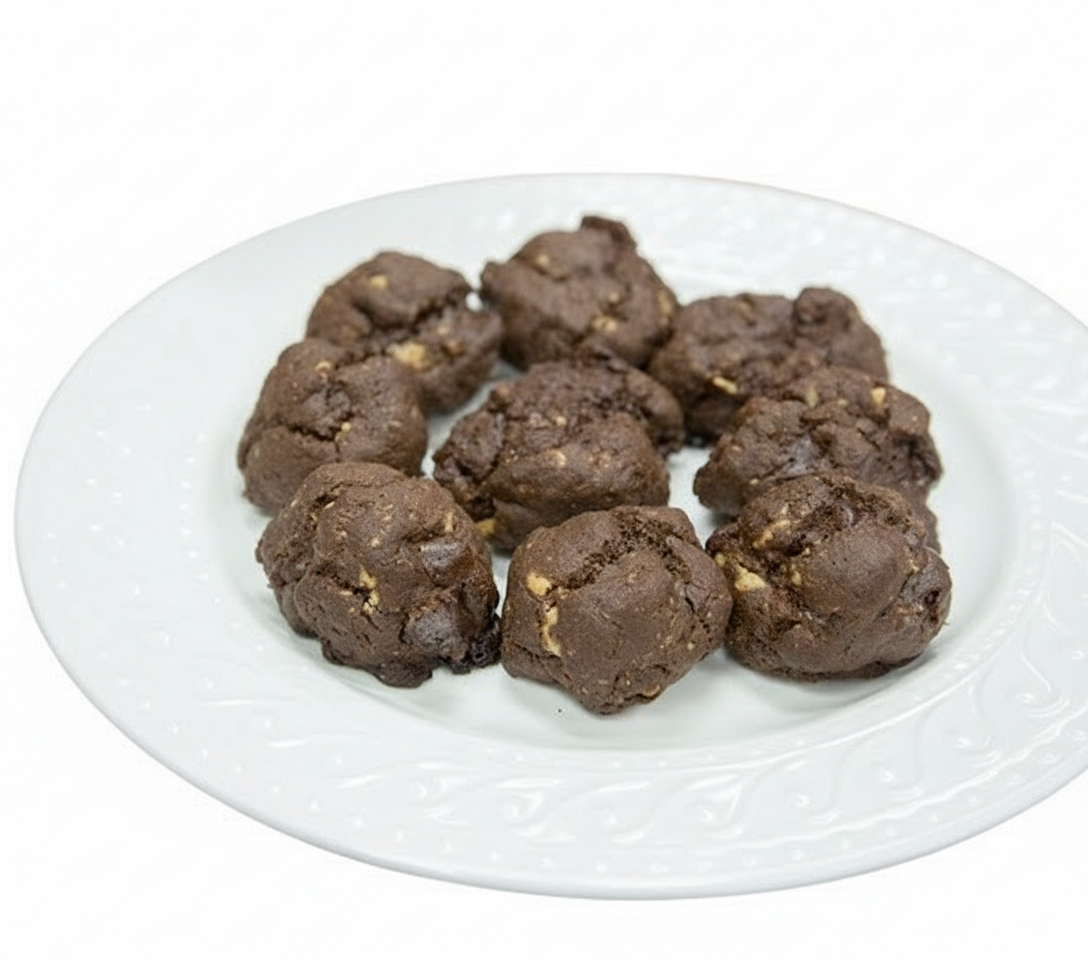
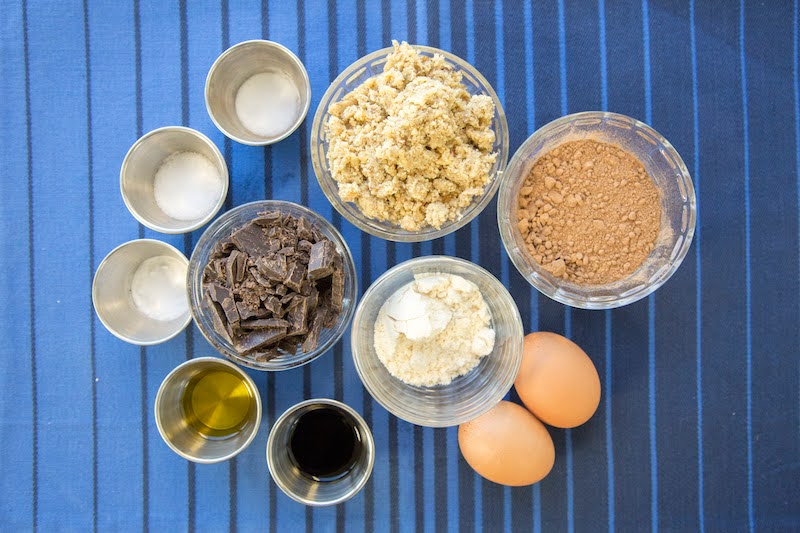
Fw: A sweet treat for your Valentine ❤️


Sent from my T-Mobile 5G Device
Get Outlook for Android

From: Steven Gundry, MD <newsletter@gundrymd.com>
Sent: Saturday, February 14, 2026 6:02:55 AM
To: Henry McClure <mcre13@gmail.com>
Subject: A sweet treat for your Valentine ❤️
 
I wasn't always a big fan of Valentine's Day growing up. It felt like there was always pressure to "have" a Valentine! ͏  ͏  ͏  ͏  ͏  ͏  ͏  ͏  ͏  ͏  ͏  ͏  ͏  ͏  ͏  ͏  ͏  ͏  ͏  ͏  ͏  ͏  ͏  ͏  ͏  ͏  ͏  ͏  ͏  ͏  ͏  ͏  ͏  ͏  ͏  ͏  ͏  ͏  ͏  ͏  ͏  ͏  ͏  ͏  ͏  ͏  ͏  ͏  ͏  ͏  ͏  ͏  ͏  ͏  ͏  ͏  ͏  ͏  ͏  ͏  ͏  ͏  ͏  ͏  ͏  ͏  ͏  ͏  ͏  ͏  ͏  ͏  ͏  ͏  ͏  ͏  ͏  ͏  ͏  ͏  ͏  ͏  ͏  ͏  ͏  ͏  ͏  ͏  ͏  ͏  ͏  ͏  ͏  ͏  ͏  ͏  ͏  ͏  ͏  ͏  ͏  ͏  ͏  ͏  ͏  ͏  ͏  ͏  ͏  ͏  ͏  ͏  ͏  ͏  ͏  ͏  ͏  ͏  ͏  ͏  ͏  ͏  ͏  ͏  ͏  ͏  ͏  ͏  ͏  ͏  ͏  ͏  ͏  ͏  ͏  ͏  ͏  ͏  ͏  ͏  ͏  ͏  ͏  ͏  ͏  ͏  ͏  ͏  ͏  ͏ ­ ­ ­ ­ ­ ­ ­ ­ ­ ­ ­ ­ ­ ­ ­ ­ ­ ­ ­ ­ ­ ­ ­ ­ ­ ­ ­ ­ ­ ­ ­ ­ ­ ­ ­ ­ ­ ­ ­ ­ ­ ­ ­ ­ ­ ­ ­ ­ ­ ­ ­ ­ ­ ­ ­ ­ ­ ­ ­ ­ ­ ­ ­ ­ ­ ­ ­ ­ ­ ­ ­ ­ ­ ­ ­ ­ ­ ­ ­ ­ ­ ­ ­ ­ ­ ­ ­ ­ ­ ­ ­ ­ ­ ­ ­ ­ ­ ­ ­ ­ ­ ­ ­ ­ ­ ­ ­ ­ ­ ­ ­ ­ ­ ­ ­ ­ ­ ­ ­ ­ ­ ­ ­ ­ ­ ­ ­ ­ ­ ­ ­ ­ ­ ­ ­ ­ ­ ­ ­ ­ ­ ­ ­ ­ ­ ­ ­ ­ ­ ­


You received this email from Gundry MD.
If you would like to unsubscribe, click here.