Saturday, January 3, 2026

Weight

Boxing divisions are primarily categorized by weight classes, with numerous divisions from lighter weights (like Strawweight) up to the unlimited Heavyweight division, featuring specific weight limits for each, such as Featherweight (126 lbs) and Middleweight (160 lbs), ensuring fair competition between similarly-sized fighters. [1, 2]  
Here's a common breakdown of professional boxing weight classes, from lightest to heaviest: 

• Strawweight/Minimumweight: Up to 105 lbs 
• Light Flyweight: 105-108 lbs 
• Flyweight: 108-112 lbs 
• Super Flyweight: 112-115 lbs 
• Bantamweight: 115-118 lbs 
• Super Bantamweight: 118-122 lbs 
• Featherweight: 122-126 lbs 
• Super Featherweight: 126-130 lbs 
• Lightweight: 130-135 lbs 
• Super Lightweight/Junior Welterweight: 135-140 lbs 
• Welterweight: 140-147 lbs 
• Super Welterweight/Junior Middleweight: 147-154 lbs 
• Middleweight: 154-160 lbs 
• Super Middleweight: 160-168 lbs 
• Light Heavyweight: 168-175 lbs 
• Cruiserweight: 175-200 lbs 
• Bridgerweight: 200-224 lbs (a newer division) 
• Heavyweight: 200+ lbs (unlimited) [1, 2, 3, 4, 5]  

Note: Exact limits can vary slightly between sanctioning bodies (WBC, WBA, IBF, WBO), but the structure is consistent. Amateur boxing has fewer, slightly different divisions, especially at the Olympic level. [1, 6, 7, 8, 9]  
Would you like to know the specific weight limits for amateur boxing divisions, or how catchweights function in professional fights? 

AI responses may include mistakes.


Henry McClure  
785.383.9994
sent from mobile 📱
time kills deals

Hussen faffer

### Nutritional Benefits
Rabbit meat stands out as one of the **healthiest meats** available. It is exceptionally lean, with very low fat and cholesterol content compared to beef, pork, or even chicken. A 100g serving of cooked rabbit meat typically provides:

- Around 29-33g of high-quality protein (high biological value, easily digestible).
- Low calories (about 170-200 kcal per 100g).
- High in essential minerals like iron (higher than beef), selenium, phosphorus, and potassium.
- Rich in B vitamins, especially B12 (vital for energy and nerve health), niacin (B3), and others.
- Higher polyunsaturated fatty acids (PUFAs), including beneficial omega-3s when rabbits are fed appropriately.

It is often recommended for heart-healthy diets, weight management, and those needing low-sodium or low-fat options. Unlike red meats, it carries lower risks for certain cancers and cardiovascular issues due to its white meat classification.

### Production Efficiency
Rabbits excel as a **food source** due to their rapid growth and reproductive rates:

- Reach slaughter weight (around 5 lbs live, yielding 3 lbs dressed meat) in 8-12 weeks.
- High feed conversion ratio (FCR) of about 3:1 to 3.5:1 (meaning 3-3.5 lbs of feed produce 1 lb of meat), comparable to or better than poultry and far superior to beef or pork.
- Does (females) have a short gestation (about 31 days) and can produce 6-10 kits per litter, up to 7 litters per year under moderate breeding.
- A single breeding trio (2 does + 1 buck) can yield 200-300 lbs of meat annually on a homestead scale.

They require minimal space—suitable for backyard, urban, or small-farm setups with simple hutches.<grok:render card_id="69b52c" card_type="image_card" type="render_searched_image">
<argument name="image_id">3</argument>
<argument name="size">"LARGE"</argument>
</grok:render><grok:render card_id="9e9e25" card_type="image_card" type="render_searched_image">
<argument name="image_id">4</argument>
<argument name="size">"LARGE"</argument>
</grok:render>

### Environmental and Sustainability Advantages
Rabbit farming offers a **low-impact alternative** to traditional livestock:

- Lower greenhouse gas emissions per kg of meat compared to cattle or pigs.
- Efficient use of resources: less feed, water, and land needed.
- Manure is nutrient-rich (high NPK) and excellent for composting/fertilizing gardens without strong odors.
- Supports sustainable, small-scale systems that can integrate with vegetable farming or urban agriculture.

Globally, production is concentrated in Asia (especially China, ~50-60% of world output), with total annual production around 800-900 thousand tonnes recently.

### Culinary Appeal
Rabbit meat tastes mild, similar to chicken or turkey—versatile for frying, braising, roasting, or stewing.<grok:render card_id="14afae" card_type="image_card" type="render_searched_image">
<argument name="image_id">0</argument>
<argument name="size">"LARGE"</argument>
</grok:render><grok:render card_id="113eda" card_type="image_card" type="render_searched_image">
<argument name="image_id">1</argument>
<argument name="size">"LARGE"</argument>
</grok:render><grok:render card_id="95cafe" card_type="image_card" type="render_searched_image">
<argument name="image_id">2</argument>
<argument name="size">"LARGE"</argument>
</grok:render>

### Potential Drawbacks
- Very low fat can lead to digestive issues if overconsumed without balanced fats (rare in varied diets).
- Cultural taboos in some regions (e.g., viewing rabbits as pets).
- Availability limited in many supermarkets; often sourced from specialty farms.
- Standard food safety applies: cook thoroughly to avoid risks like tularemia (rare in farmed rabbits).

Overall, rabbits provide an efficient, nutritious, and sustainable protein source, ideal for homesteaders, health-focused eaters, or those seeking eco-friendly meat options.

Henry McClure  
785.383.9994
sent from mobile 📱
time kills deals
Fwd: Why Russia once banned vodka


Henry McClure  
785.383.9994
sent from mobile 📱
time kills deals

---------- Forwarded message ---------
From: History Facts <hello@historyfacts.com>
Date: Sat, Jan 3, 2026, 5:17 AM
Subject: Why Russia once banned vodka
To: <mcre13@gmail.com>


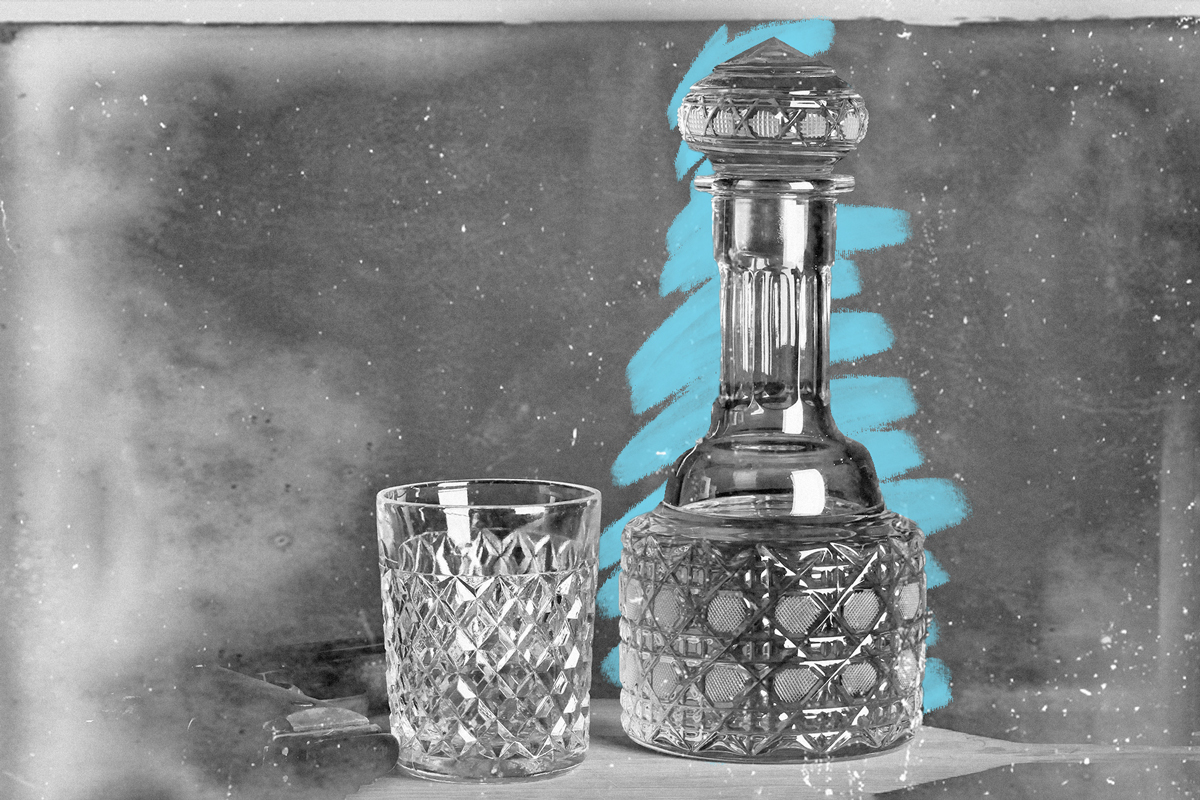
There's a Russian proverb that speaks to the country's love affair with a certain spirit: "Vodka is our enemy, so we'll utterly consume it.

Russia once banned vodka.

World History

T here's a Russian proverb that speaks to the country's love affair with a certain spirit: "Vodka is our enemy, so we'll utterly consume it." Russia and vodka are almost synonymous with each other, for better or, sometimes, worse. The problems associated with overconsumption have been known to Russia's leaders for a long time — so long, in fact, that Tsar Nicholas II announced his intention to ban the liquor on September 28, 1914, in a telegram that read simply, "I have already decided to abolish forever the government sale of vodka in Russia." He did so at considerable financial risk, as the government's centuries-old vodka monopoly was responsible for a third of its revenue, but he felt it was important that the treasury was no longer "dependent on the ruination of the spiritual and economic forces of the majority of My faithful subjects."

The tsar's motivations weren't purely altruistic, however. Russia's 1905 loss in the Russo-Japanese War was attributed in part to soldiers' drunkenness, and Nicholas II didn't want to see a repeat of that in the looming conflict we now know as World War I. It didn't work: Vodka prohibition stunted the country's finances, infrastructure, and morale at a time when all three were of the utmost importance, and Russia was defeated in WWI as well. The prohibition law was repealed following the ascendance of Joseph Stalin, who reinstated the government monopoly in 1925.

New Year, New Language

Every language is embedded with centuries of context. With Babbel, you can learn it in 10-minute snippets. Expert-designed lessons help you understand how people really speak, while bingeable podcasts and interactive speaking scenarios bring historical places and their cultures to life. Make a New Year's resolution that deepens your understanding of the past and better equips you for the present.

Start Learning

*This content is brought to you by our sponsor which helps keep History Facts free.

By the Numbers

Time zones in Russia

11

Life expectancy (in years) in Russia

69

Life expectancy (in years) in Japan, the highest of any country

84

Years that Prohibition lasted in the U.S. (1920 to 1933)

14

Did you know?

World War I was partly responsible for Prohibition in America.

The link between war and banning booze wasn't exclusive to Russia, as World War I played a key role in America's own experiment with prohibiting the "manufacture, sale, or transportation of intoxicating liquors." One war-related reason had to do with the scarcity of resources, namely barley, which advocates argued would be put to better use baking bread for soldiers than brewing beer. Another was good old-fashioned wartime xenophobia. John Strange, the lieutenant governor of Wisconsin, put it thusly: "We have German enemies in this country, too. And the worst of all our German enemies, the most treacherous, the most menacing, are Pabst, Schlitz, Blatz, and Miller." The 18th Amendment was finally passed by Congress on December 18, 1917 — less than a year before World War I ended.

Recommended Reading

U.S. History

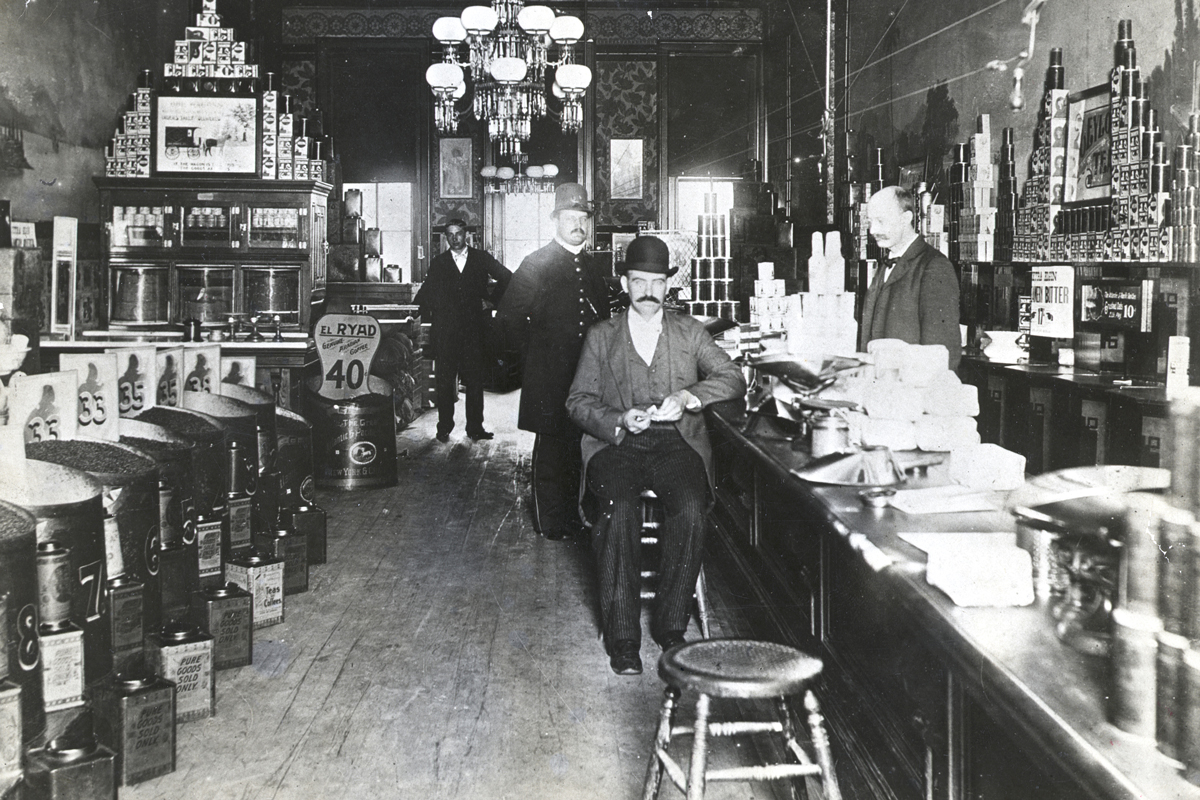
What Grocery Stores Used To Look Like

➝

World History

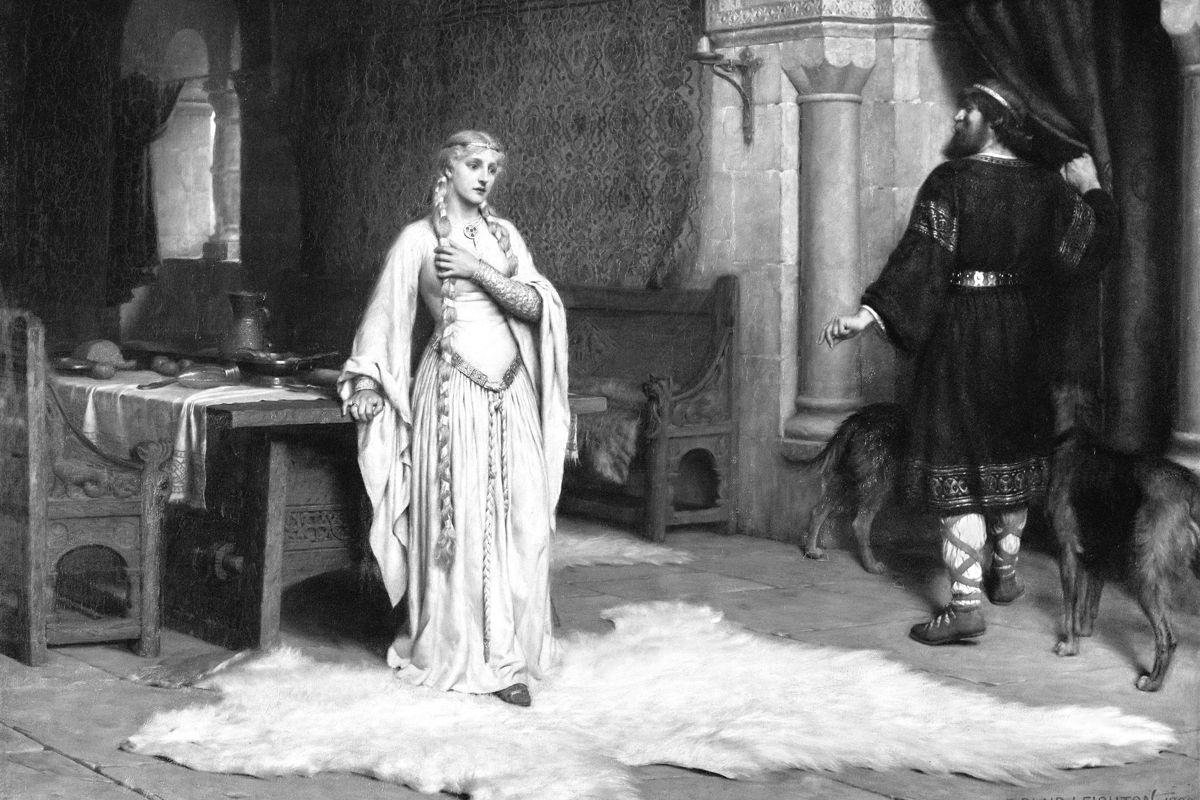
Was Lady Godiva Real?

➝

+ Load more

Discover something new

History Facts is part of Inbox Studio, which publishes content that uplifts, informs, and inspires.

13 Surprising Facts About the World's Population
Interesting Facts

Natural Cold Remedies That Actually Work
Better Report

Why Do Brits Spell "Colour" With an "ou"?
Word Smarts

A daily digest of history's most fascinating happenings.

Want to unsubscribe?

Click here

Salute

The famous salute you're likely referring to is the Nazi salute (also called the Hitler salute or "Sieg Heil" salute), which became synonymous with Adolf Hitler and the Nazi regime in Germany. While Hitler popularized it globally through Nazism, he didn't invent it—its origins are a mix of earlier influences, and it was adapted for Nazi use in the 1920s. Here's a breakdown of how it started and evolved in connection with Hitler:

### Early Influences and Roots
The gesture—a straight arm raised at an upward angle with the palm facing down—has no authentic ancient Roman origins, despite later claims by fascists and Nazis. Historians trace it to neoclassical art, particularly the 1784 painting *Oath of the Horatii* by French artist Jacques-Louis David, which depicted raised arms as a symbol of allegiance and influenced later European nationalist imagery.<grok:render card_id="14d0af" card_type="citation_card" type="render_inline_citation">
<argument name="citation_id">10</argument>
</grok:render> It gained modern traction in early 20th-century Italy through silent films like the 1914 epic *Cabiria*, which portrayed similar arm gestures in dramatized Roman scenes.<grok:render card_id="8c5983" card_type="citation_card" type="render_inline_citation">
<argument name="citation_id">10</argument>
</grok:render> Italian poet and nationalist Gabriele D'Annunzio further popularized a version during his 1919–1920 occupation of the city of Fiume (now Rijeka), where it symbolized loyalty.<grok:render card_id="e025b4" card_type="citation_card" type="render_inline_citation">
<argument name="citation_id">10</argument>
</grok:render>

The verbal component, "Heil" (meaning "hail" or "health"), drew from the pan-German nationalist movement around 1900 in Austria. It was used by followers of Georg Ritter von Schönerer, an antisemitic leader of the Austrian Pan-German Party, as a greeting to express ethnic German pride.<grok:render card_id="5671ba" card_type="citation_card" type="render_inline_citation">
<argument name="citation_id">10</argument>
</grok:render> Hitler, who grew up in Linz, Austria, encountered this as a boy and admired von Schönerer—he later adopted "Heil" and even the title "Führer" (leader) from this influence.<grok:render card_id="323f70" card_type="citation_card" type="render_inline_citation">
<argument name="citation_id">10</argument>
</grok:render>

### Adoption by Italian Fascism
The full salute as we know it was first formalized by Benito Mussolini's National Fascist Party in Italy in the early 1920s, where it became known as the "Roman salute" or Fascist salute.<grok:render card_id="d8d016" card_type="citation_card" type="render_inline_citation">
<argument name="citation_id">5</argument>
</grok:render><grok:render card_id="3e59fb" card_type="citation_card" type="render_inline_citation">
<argument name="citation_id">10</argument>
</grok:render> Mussolini's regime claimed it revived an ancient Roman tradition to evoke imperial glory, but this was largely invented propaganda—there's no evidence of such a salute in actual Roman texts or artwork.<grok:render card_id="9ff56a" card_type="citation_card" type="render_inline_citation">
<argument name="citation_id">1</argument>
</grok:render><grok:render card_id="c79a65" card_type="citation_card" type="render_inline_citation">
<argument name="citation_id">10</argument>
</grok:render> It quickly became a mandatory greeting among Italian fascists to show obedience to the state and leader.

### How It Started with Hitler and the Nazis
Hitler and the Nazi Party (NSDAP) borrowed the gesture directly from Mussolini's Italy, adapting it for their own use starting around 1921.<grok:render card_id="a94520" card_type="citation_card" type="render_inline_citation">
<argument name="citation_id">5</argument>
</grok:render><grok:render card_id="c34ea3" card_type="citation_card" type="render_inline_citation">
<argument name="citation_id">10</argument>
</grok:render> At first, it was an internal Nazi Party ritual to signal loyalty to Hitler personally, often paired with "Heil Hitler!" or "Sieg Heil!" (meaning "hail victory"). By 1926, Hitler made it compulsory for all party members as a display of unwavering devotion and ideological commitment.<grok:render card_id="bc7fb6" card_type="citation_card" type="render_inline_citation">
<argument name="citation_id">10</argument>
</grok:render>

After the Nazis seized power in Germany in 1933, the salute became mandatory for civilians in public life, schools, workplaces, and ceremonies—refusal could lead to fines, imprisonment in concentration camps, or violence.<grok:render card_id="bcaf87" card_type="citation_card" type="render_inline_citation">
<argument name="citation_id">3</argument>
</grok:render><grok:render card_id="292292" card_type="citation_card" type="render_inline_citation">
<argument name="citation_id">4</argument>
</grok:render><grok:render card_id="4c911e" card_type="citation_card" type="render_inline_citation">
<argument name="citation_id">10</argument>
</grok:render> The German military initially retained a traditional salute but fully switched to the Nazi version in 1944 after a failed assassination attempt on Hitler (the 20 July plot), as a forced loyalty test.<grok:render card_id="38c0f2" card_type="citation_card" type="render_inline_citation">
<argument name="citation_id">10</argument>
</grok:render> To downplay the Italian borrowing, Nazi leaders like Rudolf Hess fabricated a "Germanic" backstory for it in the late 1920s.<grok:render card_id="748a2a" card_type="citation_card" type="render_inline_citation">
<argument name="citation_id">10</argument>
</grok:render>

In essence, Hitler transformed an borrowed Italian fascist gesture into a core symbol of Nazi totalitarianism, enforcing it to cultivate a cult of personality and suppress dissent. Today, it's banned in many countries due to its association with hate and genocide.

Henry McClure  
785.383.9994
sent from mobile 📱
time kills deals

Keep your eyes open.

The presence of Nazi or neo-Nazi elements in Ukraine is a highly contentious and politicized topic, amplified by the ongoing Russia-Ukraine war. Russian state narratives often exaggerate it as justification for "denazification," while Western sources tend to downplay it, emphasizing that far-right groups represent a small minority with limited political power. Independent analyses and reports from various stakeholders (including Ukrainian researchers, Western media, and think tanks) provide a range of estimates, showing that while explicit neo-Nazi ideology is fringe, far-right nationalist groups have gained some military integration and visibility since the 2014 Maidan events and the war's escalation. Below, I'll outline key aspects based on available data, focusing on factual depictions without endorsing any narrative.

### Political Presence and Electoral Support
Far-right parties in Ukraine, such as Svoboda (Freedom), Right Sector, and National Corps (linked to the Azov movement), have historically drawn on ultra-nationalist or neo-Nazi imagery but have seen declining influence in national politics. 
- In the 2019 parliamentary elections, these groups collectively received around 2-5% of the vote, failing to cross the threshold for seats in the Verkhovna Rada (parliament).<grok:render card_id="3aa652" card_type="citation_card" type="render_inline_citation">
<argument name="citation_id">0</argument>
</grok:render> This is a drop from peaks like Svoboda's 10% in 2012, attributed to broader societal shifts and deradicalization efforts.<grok:render card_id="a483bc" card_type="citation_card" type="render_inline_citation">
<argument name="citation_id">0</argument>
</grok:render><grok:render card_id="a13edb" card_type="citation_card" type="render_inline_citation">
<argument name="citation_id">7</argument>
</grok:render>
- Overall, explicit neo-Nazi or far-right political organizations are estimated to have a few thousand active members nationwide, with low public support (polls show ultra-nationalism appealing to under 10% of the population).<grok:render card_id="26135c" card_type="citation_card" type="render_inline_citation">
<argument name="citation_id">6</argument>
</grok:render> However, some figures with far-right ties have held high posts, such as Andriy Parubiy (Svoboda co-founder) as parliament speaker from 2016-2019.<grok:render card_id="378938" card_type="citation_card" type="render_inline_citation">
<argument name="citation_id">19</argument>
</grok:render>

### Military and Paramilitary Presence
The most visible Nazi-associated elements are in Ukraine's armed forces and volunteer units, where far-right groups formed during the 2014 Donbas conflict and were later integrated into official structures like the National Guard or Ukrainian Armed Forces (UAF). This integration has given them "outsize power relative to their numbers," according to some analyses, despite official denials of ideological extremism.<grok:render card_id="ff8071" card_type="citation_card" type="render_inline_citation">
<argument name="citation_id">1</argument>
</grok:render>
- **Azov Movement**: Originating as a battalion with neo-Nazi roots (founded by figures like Andriy Biletsky, who has espoused white supremacist views), it has expanded into the 12th Azov Brigade (National Guard), 3rd Assault Brigade (UAF), and Kraken unit. Estimates put Azov-affiliated fighters at around 20,000-40,000, or about 2-4% of Ukraine's total active forces (estimated at 900,000-1 million).<grok:render card_id="080c41" card_type="citation_card" type="render_inline_citation">
<argument name="citation_id">10</argument>
</grok:render><grok:render card_id="f7e720" card_type="citation_card" type="render_inline_citation">
<argument name="citation_id">22</argument>
</grok:render> Displays of Nazi symbols (e.g., swastikas, SS runes, Totenkopf) have been documented in over 100 cases among Azov members from 2014-2022, though the group claims to have purged extremists.<grok:render card_id="07f95f" card_type="citation_card" type="render_inline_citation">
<argument name="citation_id">16</argument>
</grok:render><grok:render card_id="35e3a8" card_type="citation_card" type="render_inline_citation">
<argument name="citation_id">4</argument>
</grok:render>
- **Other Far-Right Units**: Groups like Right Sector (integrated into the 67th Mechanized Brigade and Da Vinci Wolves regiment), Carpathian Sich (49th Assault Battalion), and smaller outfits such as C14 or Svoboda-linked units add to the tally. Combined, far-right or neo-Nazi-led units are estimated at 50,000-100,000 fighters (5-10% of Ukrainian forces), often described as elite shock troops glorified in state media.<grok:render card_id="452ad8" card_type="citation_card" type="render_inline_citation">
<argument name="citation_id">10</argument>
</grok:render><grok:render card_id="553041" card_type="citation_card" type="render_inline_citation">
<argument name="citation_id">21</argument>
</grok:render><grok:render card_id="7c6a05" card_type="citation_card" type="render_inline_citation">
<argument name="citation_id">18</argument>
</grok:render> Some units, like the Russian Volunteer Corps (RDK) or German Volunteer Corps, openly recruit international neo-Nazis and use symbols like the Wolfsangel or Black Sun.<grok:render card_id="48fc37" card_type="citation_card" type="render_inline_citation">
<argument name="citation_id">18</argument>
</grok:render><grok:render card_id="f547f2" card_type="citation_card" type="render_inline_citation">
<argument name="citation_id">23</argument>
</grok:render>
- Lower estimates from pro-Ukrainian sources suggest fewer than 2,000 active neo-Nazis in the country overall, framing these groups as nationalist rather than ideological Nazis.<grok:render card_id="11a40e" card_type="citation_card" type="render_inline_citation">
<argument name="citation_id">11</argument>
</grok:render> Critics argue this undercounts due to integration and tolerance of symbols.<grok:render card_id="f4335f" card_type="citation_card" type="render_inline_citation">
<argument name="citation_id">13</argument>
</grok:render><grok:render card_id="1efffe" card_type="citation_card" type="render_inline_citation">
<argument name="citation_id">14</argument>
</grok:render>

### Broader Societal and International Context
- **Societal Scale**: Neo-Nazi ideology is not mainstream; anti-Semitic incidents have decreased since 2014, and Ukraine's Jewish president (Volodymyr Zelenskyy) is often cited as evidence against systemic Nazism.<grok:render card_id="ac4d56" card_type="citation_card" type="render_inline_citation">
<argument name="citation_id">18</argument>
</grok:render> However, far-right groups have networked globally, attracting white supremacists from Europe and beyond to fight in Ukraine, turning it into a "beacon" for such movements.<grok:render card_id="de032e" card_type="citation_card" type="render_inline_citation">
<argument name="citation_id">23</argument>
</grok:render><grok:render card_id="18b479" card_type="citation_card" type="render_inline_citation">
<argument name="citation_id">4</argument>
</grok:render> Events like the 2023 Nation Europa conference in Lviv highlight this.<grok:render card_id="ea721a" card_type="citation_card" type="render_inline_citation">
<argument name="citation_id">18</argument>
</grok:render>
- **Comparisons and Both Sides**: Reports note neo-Nazi elements on the Russian side as well, with groups like the Wagner PMC (formerly led by a tattooed neo-Nazi) and others estimated at 5,000-70,000 in Russia.<grok:render card_id="f7f1e6" card_type="citation_card" type="render_inline_citation">
<argument name="citation_id">11</argument>
</grok:render><grok:render card_id="286365" card_type="citation_card" type="render_inline_citation">
<argument name="citation_id">2</argument>
</grok:render><grok:render card_id="087329" card_type="citation_card" type="render_inline_citation">
<argument name="citation_id">6</argument>
</grok:render><grok:render card_id="640d00" card_type="citation_card" type="render_inline_citation">
<argument name="citation_id">8</argument>
</grok:render> Russian forces in Ukraine have also displayed Nazi symbols.<grok:render card_id="fe282e" card_type="citation_card" type="render_inline_citation">
<argument name="citation_id">12</argument>
</grok:render> Far-right extremism is a Europe-wide issue, with surges in countries like Germany and Slovakia.<grok:render card_id="f8e325" card_type="citation_card" type="render_inline_citation">
<argument name="citation_id">5</argument>
</grok:render>
- **Trends Over Time**: Post-2022 invasion, far-right online discourse in Ukraine has shifted from overt Nazism to nationalism, possibly for PR reasons.<grok:render card_id="d10aa8" card_type="citation_card" type="render_inline_citation">
<argument name="citation_id">7</argument>
</grok:render> Russian sources claim legislative perpetuation of Nazi memory, but these are biased.<grok:render card_id="d72c23" card_type="citation_card" type="render_inline_citation">
<argument name="citation_id">3</argument>
</grok:render>

In summary, the "Nazi presence" is small in absolute political terms (thousands, not millions) but amplified in the military sphere through integrated units, with estimates ranging from under 2% to 10% of forces depending on definitions of "Nazi" vs. "far-right nationalist." This is substantiated by diverse sources, though biases (e.g., Russian exaggeration, Western minimization) affect numbers.<grok:render card_id="79a9f5" card_type="citation_card" type="render_inline_citation">
<argument name="citation_id">1</argument>
</grok:render><grok:render card_id="2262b8" card_type="citation_card" type="render_inline_citation">
<argument name="citation_id">9</argument>
</grok:render> For context, similar fringes exist in many countries, including Russia and Western allies.

Henry McClure  
785.383.9994
sent from mobile 📱
time kills deals