Henry McClure
785.383.9994
sent from mobile 📱
time kills deals
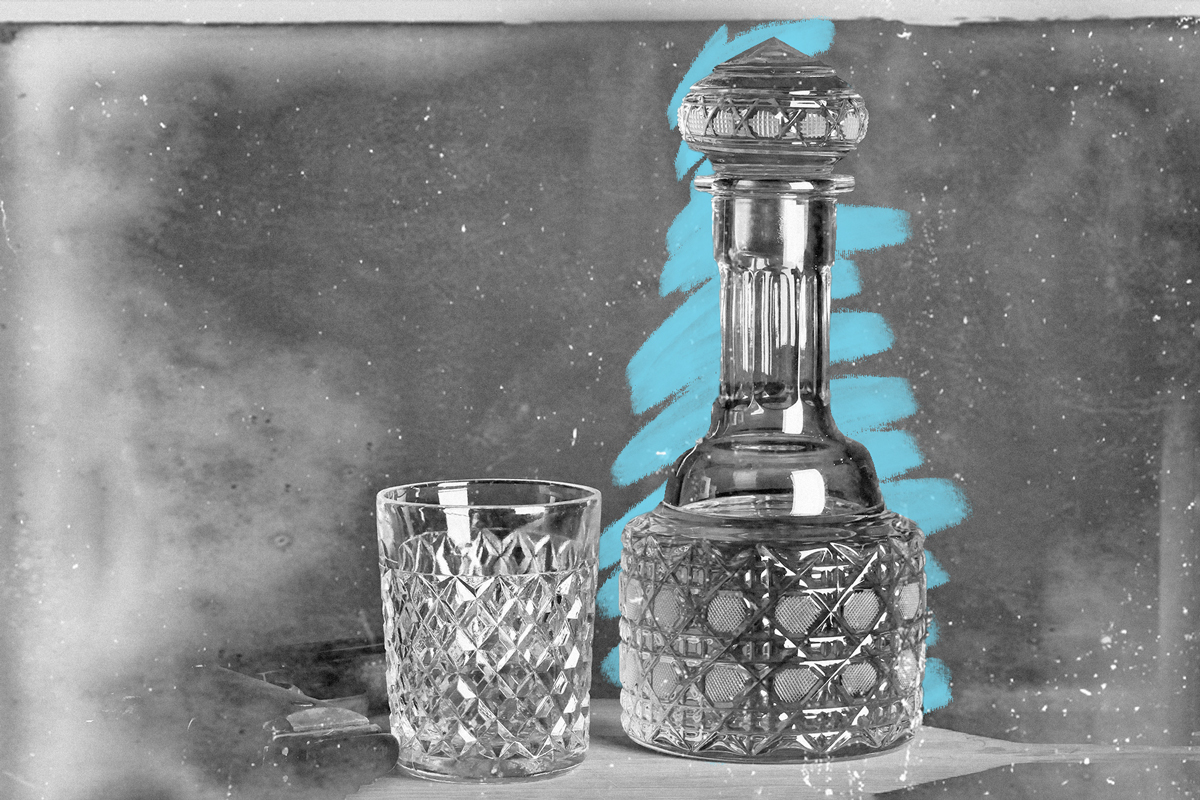
There's a Russian proverb that speaks to the country's love affair with a certain spirit: "Vodka is our enemy, so we'll utterly consume it. T here's a Russian proverb that speaks to the country's love affair with a certain spirit: "Vodka is our enemy, so we'll utterly consume it." Russia and vodka are almost synonymous with each other, for better or, sometimes, worse. The problems associated with overconsumption have been known to Russia's leaders for a long time — so long, in fact, that Tsar Nicholas II announced his intention to ban the liquor on September 28, 1914, in a telegram that read simply, "I have already decided to abolish forever the government sale of vodka in Russia." He did so at considerable financial risk, as the government's centuries-old vodka monopoly was responsible for a third of its revenue, but he felt it was important that the treasury was no longer "dependent on the ruination of the spiritual and economic forces of the majority of My faithful subjects." |
|
|
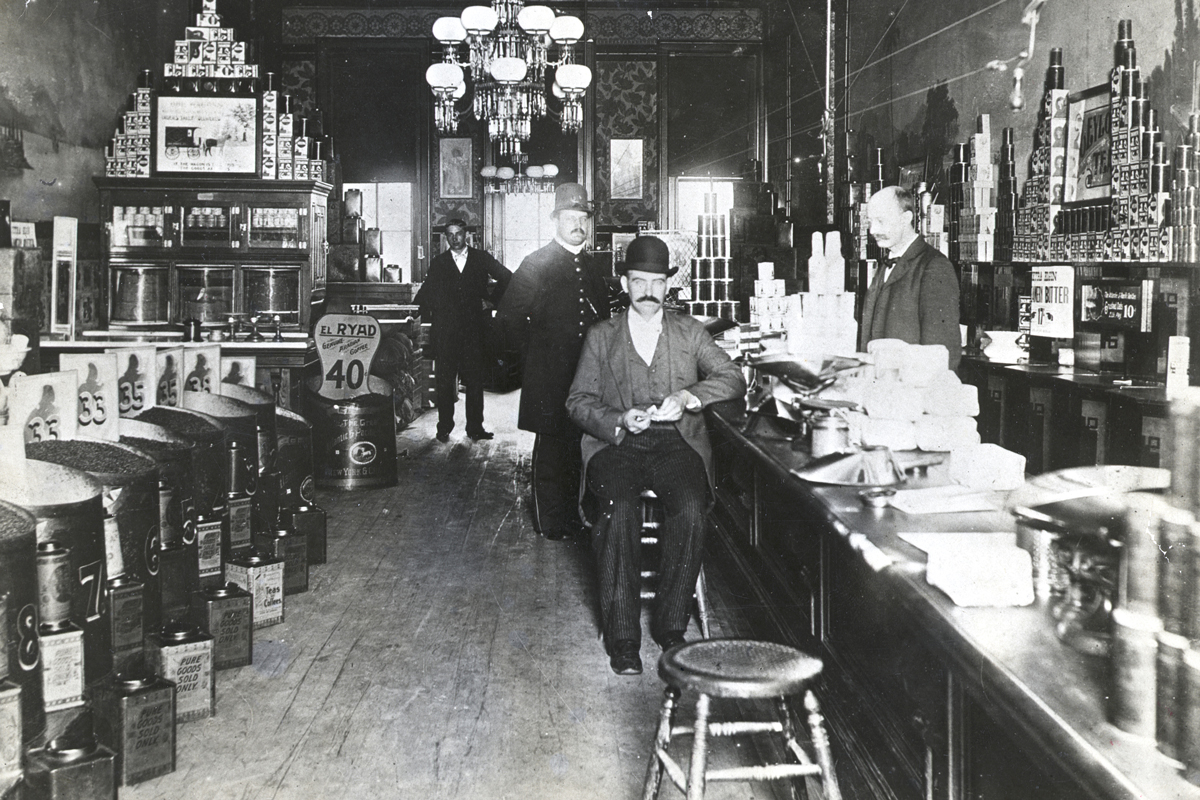
The tsar's motivations weren't purely altruistic, however. Russia's 1905 loss in the Russo-Japanese War was attributed in part to soldiers' drunkenness, and Nicholas II didn't want to see a repeat of that in the looming conflict we now know as World War I. It didn't work: Vodka prohibition stunted the country's finances, infrastructure, and morale at a time when all three were of the utmost importance, and Russia was defeated in WWI as well. The prohibition law was repealed following the ascendance of Joseph Stalin, who reinstated the government monopoly in 1925. |
|
 |
|
By the Numbers |
|
| | Life expectancy (in years) in Russia | | 69 |
| | Life expectancy (in years) in Russia | | 69 |
|
|
|
Life expectancy (in years) in Japan, the highest of any country | | 84 |
| | Years that Prohibition lasted in the U.S. (1920 to 1933) | | 14 |
| | Years that Prohibition lasted in the U.S. (1920 to 1933) | | 14 |
|
|
|
|
|
 | | Did you know? |
|
|
World War I was partly responsible for Prohibition in America. |
|
The link between war and banning booze wasn't exclusive to Russia, as World War I played a key role in America's own experiment with prohibiting the "manufacture, sale, or transportation of intoxicating liquors." One war-related reason had to do with the scarcity of resources, namely barley, which advocates argued would be put to better use baking bread for soldiers than brewing beer. Another was good old-fashioned wartime xenophobia. John Strange, the lieutenant governor of Wisconsin, put it thusly: "We have German enemies in this country, too. And the worst of all our German enemies, the most treacherous, the most menacing, are Pabst, Schlitz, Blatz, and Miller." The 18th Amendment was finally passed by Congress on December 18, 1917 — less than a year before World War I ended. |
|
Discover something new | | History Facts is part of Inbox Studio, which publishes content that uplifts, informs, and inspires. | | | |
| | | |
| | |
|
|











No comments:
Post a Comment