Sunday, February 1, 2026

22 years of fighting - $125,000,000 - over 25 years and Topeka is broke - but the rich are getting richer - AT&T


Summary of "22 years later.pdf."

This 7-page PDF is a collection of documents from 2003–2004 related to economic development efforts in Topeka, Kansas, primarily focused on the Commerce Park (also referred to as Center Point Commerce Park) and associated infrastructure projects. It involves GO Topeka, the Greater Topeka Chamber of Commerce, local government officials, developers (including Henry McClure), and consultants like Cook, Flatt & Strobel Engineers. The documents highlight planning, funding requests, meetings, and budget concerns for park development, including a proposed highway interchange. Below is a page-by-page breakdown:
  • Page 1 (Letter, September 5, 2003): A formal request to the Kansas Department of Transportation (KDOT) for a Break-In-Access Study to assess the feasibility of a new interchange at US-75 and SW 49th Street. Signed by Topeka's mayor, chamber chairman, county commission chairman, GO Topeka chairman, and developer Henry McClure. It references ongoing master planning for the 600-acre Commerce Park, a stakeholder charette, and existing developments like the Target Distribution Facility.
  • Page 2 (Memo, December 8, 2003): From Kathy Moellenberndt to a list of stakeholders (including engineers, developers, and chamber staff) scheduling a review meeting on December 17, 2003, to discuss proposed covenants and restrictions for Center Point Commerce Park. Enclosures are mentioned but appear as visual plans on subsequent pages.
  • Pages 3–4 (Visual Plans): Hand-drawn or illustrated site plans, elevations, and sections for the "South Topeka Commerce Gateway Park Parkway" along SW 57th Street. These include landscape designs with trees, berms, signage, and pathways, likely part of the proposed covenants/restrictions. No text beyond labels like "Site Plan," "Elevation," and plant species notes.
  • Page 5 (Agenda, August 25, 2004): Agenda for a Joint Economic Development Organization (JEDO) meeting at the Chamber of Commerce. Topics include approving minutes, federal funding discussions for projects like Topeka Boulevard Bridge replacement, 190th Operations Facility, Forbes Field Taxiway B, Commerce Park ($1.7 million allocation), Brown v. Board National Historic Site improvements, and Great Overland Station Riverfront Park. Other items cover national PR results, military/BRAC issues, an inter-city visit to Lincoln and Omaha, an audit presentation, Heartland Park update, legal discussions (IBSA vs. City of Topeka, Resolutions 7493 and 7494), and incentive package offers.
  • Page 6 (Letter, undated but noted as 8/29/04): From Henry McClure (McClure Real Estate) to Douglas S. Kinsinger (GO Topeka/Chamber President & CEO) questioning two budget items in an attached list for "Go Topeka / Planet KS.": $867,829 for personnel and $847,878 for operations. McClure asks, "Where is this money going??"
  • Page 7 (Letter, September 27, 2004): From Douglas S. Kinsinger to Dana K. Anderson (in Santa Monica, CA) thanking him for financial support toward the $10,000 Break-In-Access Study for the 49th Street and Highway 75 interchange. It notes involvement with Mel Chapman (consultant) and Henry McClure, KDOT's requirement for the study before further evaluation, and an expected 90–120 day completion timeline.
Overall, the PDF documents early-2000s collaboration on Topeka's economic growth, emphasizing infrastructure for Commerce Park, funding pursuits, and oversight concerns. The "22 years later" title may imply a retrospective view in 2026, given the dates.

--
Henry McClure 
Time kills deals
785-383-9994

www.henrymcclure.live


-

Saturday, January 31, 2026

The lion sleeps 💤 tonight

The perception that Lion's Mane mushrooms "lose their juice" or efficacy after about 4 weeks or a month is a common experience, often stemming from a combination of the body adapting to the supplement, the gradual nature of its effects, and improper storage. While research shows that beneficial effects often take 2-3 months to become fully realized, the initial "acute" or rapid boost many feel in the first few weeks can fade. [1, 2, 3, 4]  
Here is why the effects may diminish around the 4-week mark: 
1. The "Adaptation" or Normalization Phase 

• Initial Boost Wears Off: Many users feel a noticeable increase in focus and reduction in brain fog in the first 1-2 weeks as their body reacts to new compounds (hericenones and erinacines). After a month, the brain adapts, making this new level of clarity feel like the "new normal," which can be mistaken for the supplement stopping its work. 
• Gradual vs. Immediate Effects: Lion's Mane does not act like a stimulant (like caffeine). It works on long-term brain health and nerve growth factor (NGF). The initial surge of energy often fades, replaced by subtle, long-term cognitive improvements that take 8–12 weeks to fully manifest. [1, 3, 4, 5, 6]  

2. Product Degradation (Loss of Potency) 

• Sensitivity to Environment: Lion's Mane powders are highly sensitive to moisture, light, and oxygen. If not stored in an airtight, cool, and dark place, the active compounds (hericenones/erinacines) can degrade within weeks, significantly reducing the potency. 
• Oxidation: Exposure to air causes oxidation, which reduces the effectiveness of the powder. [7, 8, 9]  

3. Dosage or Product Quality Issues 

• Insufficient Dosage: Studies suggest that while some effects appear early, consistent daily use is necessary for long-term benefits. If the dose is too low (e.g., less than 500-1000mg per day), the body may not feel the sustained effects after the initial honeymoon period. 
• "Filler" Products: Some products are made from mycelium grown on grain rather than the actual fruiting body, which contains lower amounts of the beneficial compounds, leading to a faster decline in noticeable results. [3, 10, 11, 12, 13]  

4. Need for Cycling 

• Building Tolerance: Although Lion's Mane does not typically require high dose escalations, some users may find that their body stops responding to the same dose after a month. 
• Solution: Experts often suggest cycling, such as taking it for 3–4 weeks, followed by a few days to a week off, to prevent the body from becoming too accustomed to the supplement. [2, 14]  

Summary of Timeline 

• 1-2 Weeks: Initial, often dramatic, focus and mental clarity boosts. 
• 3-4 Weeks: This initial "high" may fade as the body adapts to the supplement. 
• 8-12 Weeks+: This is when the most significant, long-term neuroprotective benefits (memory, nerve repair) are usually realized. [4, 5]  

Disclaimer: Lion's Mane is generally well-tolerated, but it is always recommended to consult with a healthcare professional before starting any new supplement regimen, particularly if you have underlying health conditions or are taking other medications. [15, 16, 17]  

AI responses may include mistakes.


Henry McClure  
785.383.9994
sent from mobile 📱
time kills deals

Fwd: The real Star Wars


---------- Forwarded message ---------
From: History Facts <hello@historyfacts.com>
Date: Sat, Jan 31, 2026 at 5:20 AM
Subject: The real Star Wars
To: <mcre13@gmail.com>


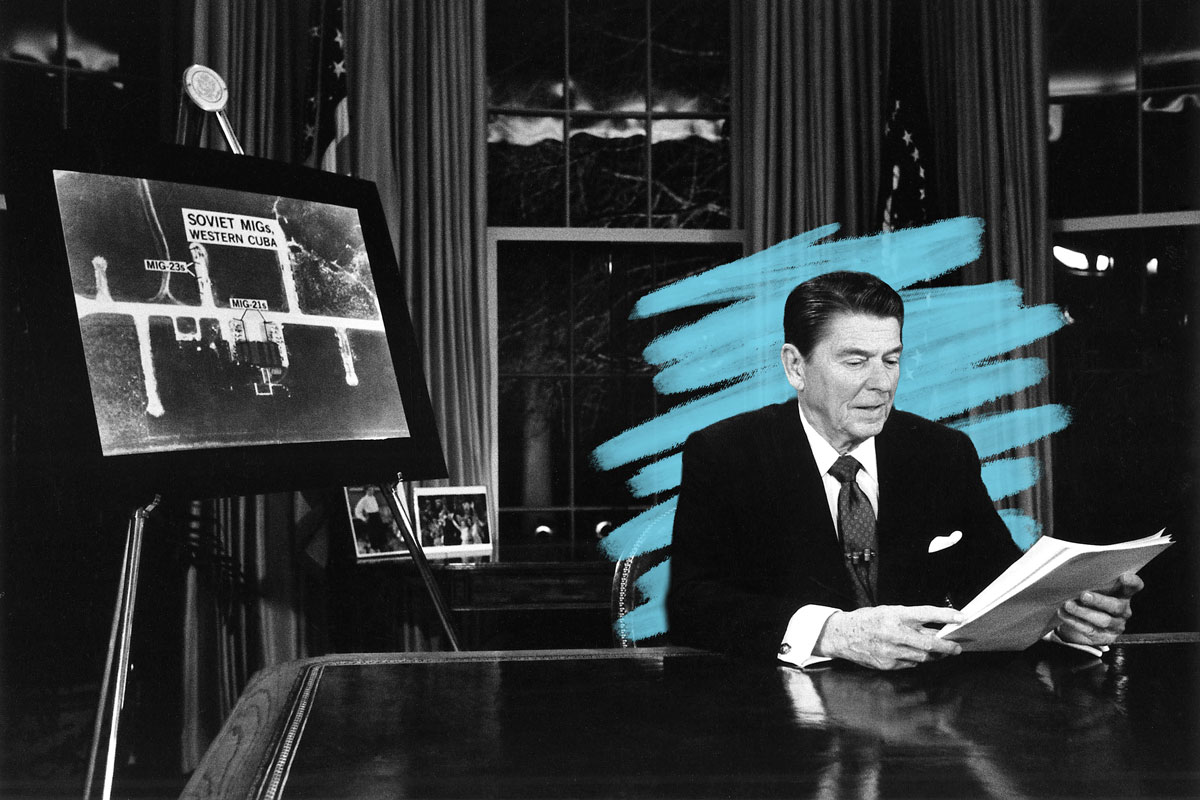
Before there was Space Force, there was Star Wars. No, not the sci-fi franchise set in a galaxy far, far away, but the space-based defense plan proposed by Ronald Reagan on March 23, 1983.

Ronald Reagan had a space-based defense plan known as Star Wars.

Famous Figures

B efore there was Space Force, there was Star Wars. No, not the sci-fi franchise set in a galaxy far, far away, but the space-based defense plan proposed by Ronald Reagan on March 23, 1983. Officially known as the Strategic Defense Initiative (SDI), the program received its mocking nickname when Senator Ted Kennedy lambasted it as a "reckless Star Wars scheme." Intended to defend the United States from the Soviet Union's nuclear weapons, SDI relied on futuristic technology that didn't yet exist. Chief among them was a laser system that could theoretically zap intercontinental ballistic missiles (ICBMs) out of the sky before they reached their target.

In announcing the program, Reagan called on the scientists who first developed nuclear weapons to "turn their great talents to the cause of mankind and world peace: to give us the means of rendering these nuclear weapons impotent and obsolete." With hundreds of Soviet missiles aimed at America, the president wanted to neutralize the threat of those weapons of mass destruction. More than $30 billion was spent on the Star Wars initiative over the next decade, but the critics who dismissed it as overambitious proved right. SDI never came to fruition and was officially canceled by Bill Clinton in 1993.

Considering an Annuity? Ask These Questions First

When it comes time to take withdrawals, it's crucial to know what could be hiding in your annuity. Fisher Investments' guide, Annuity Insights: 9 Questions Every Annuity Investor Should Ask, breaks down the benefits (and drawbacks) to help you decide if an annuity actually helps — or hinders — your long-term goals.

Learn More

*This content is brought to you by our sponsor, which helps keep our content free.

By the Numbers

Price Disney spent to acquire Lucasfilm, including Star Wars, in 2012

$4.1 billion

Stormtroopers assigned to the original Death Star

25,984

States Ronald Reagan won in the 1984 presidential election

49

Minutes Darth Vader is on-screen in the original Star Wars

12

Did you know?

Ronald Reagan took advice from an astrologist during his presidency.

To hear her tell it, Joan Quigley didn't just advise President Ronald Reagan on his schedule — she also convinced him to take a softer stance on the Soviet Union at the height of the Cold War. Perhaps not surprisingly then, the astrologist, who wrote a memoir about her experience offering advice to both the president and the first lady, received pushback from others within the administration, including Reagan's chief of staff, the coincidentally named Donald Regan. The extent of Quigley's influence depends on whom you ask, however. First Lady Nancy Reagan dismissed claims of their reliance on the astrologist in her own 1989 memoir, My Turn, which Quigley saw as a betrayal — albeit one she was able to foresee. "Struggle has been in my charts," she told a reporter in 2014, saying she knew to "expect no gratitude" from the Reagans.

Recommended Reading

U.S. History

6 Forgotten Collectibles From the 1950s

Science & Industry

5 Inventions That Failed Spectacularly

+ Load more

Discover something new

History Facts is part of Inbox Studio, which publishes content that uplifts, informs, and inspires.

13 Surprising Facts About the World's Population
Interesting Facts

Natural Cold Remedies That Actually Work
Better Report

Why Do Brits Spell "Colour" With an "ou"?
Word Smarts

A daily digest of history's most fascinating happenings.

Want to unsubscribe?

Click here


--
Henry McClure 
Time kills deals
785-383-9994

www.henrymcclure.live