Henry McClure
785.383.9994
sent from mobile 📱
time kills deals
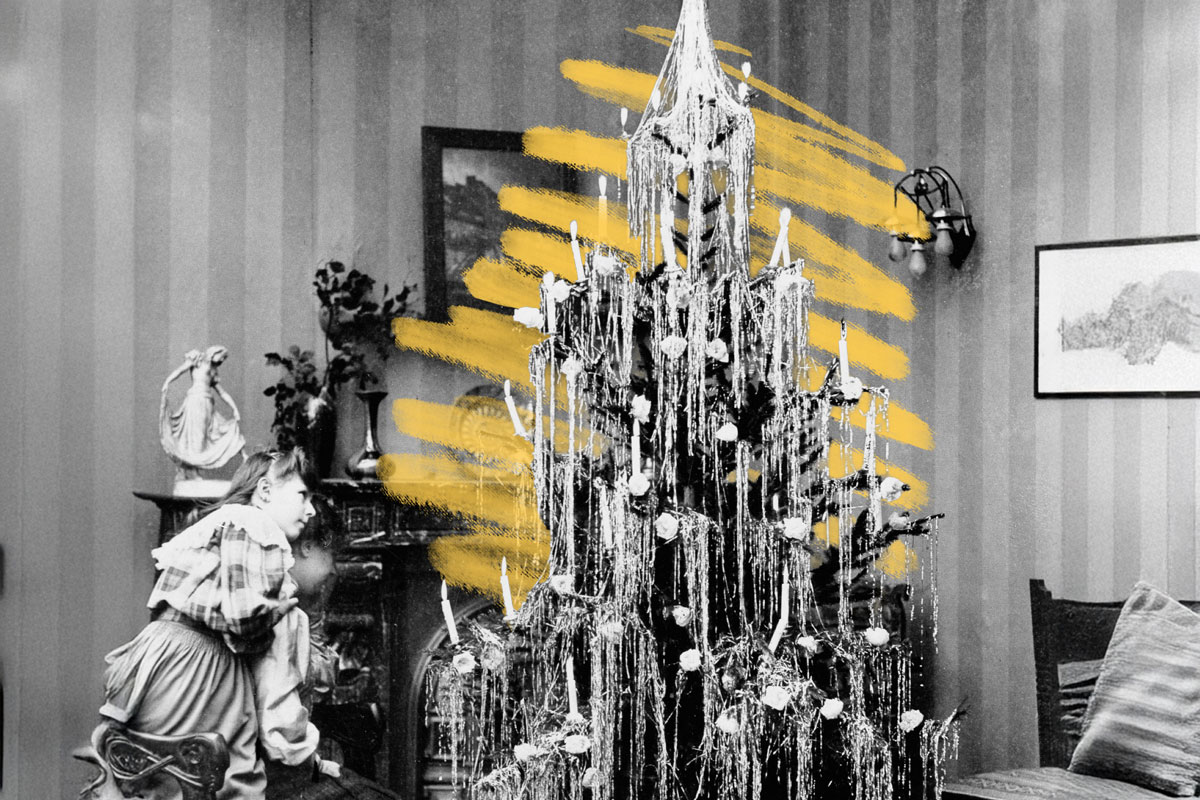
Once upon a time, no Christmas tree was complete without a healthy coating of tinsel hanging from the boughs. O nce upon a time, no Christmas tree was complete without a healthy coating of tinsel hanging from the boughs. Those shimmering threads are less common now, though far from gone — especially in households that like an extra touch of sparkly holiday magic. But today's tinsel, which is usually made of PVC plastic, has a different look and feel than vintage varieties, which were made of real metal. Before you go scouring antique malls looking for a little Christmas cheer, however, know that older tinsel isn't always better, because sometimes, that metal was lead. |
|
|
Tinsel made of tin-laminated brass or silver-plated copper began gracing Christmas trees in wealthy American homes in the late 19th century. At the turn of the 20th century, mass production drove the price down and made the decoration accessible to more households. Lyon, France, was a tinsel manufacturing powerhouse, but factories struggled to keep up with U.S. demand due to metal rationing during World War I. |
|
Lead became a popular material for tinsel after a German company received a patent for lead tinsel in 1904, and American companies followed suit. (At the time, the United States was the world's largest producer and consumer of refined lead.) It remained popular for decades, so much so that tinsel was sometimes referred to as "lead icicles." Scientists already knew that lead could be toxic, but activism in the 1970s started drawing attention to the hazards the substance posed to children, and the FDA pulled lead tinsel from the market in 1972. Luckily, a Dow Chemical engineer had patented an iridescent plastic tinsel in 1969, so a replacement was already waiting in the wings. |
|
 |
|
By the Numbers |
|
Amount Americans spent on tinsel from Lyon in the first nine months of 1916 | | $909,788 |
| | Year the world's oldest surviving artificial Christmas tree was purchased | | 1886 |
| | Year the world's oldest surviving artificial Christmas tree was purchased | | 1886 |
|
|
|
Christmas trees cut at U.S. tree farms in 2022 | | 14.5 million |
| | Geese a-laying, in the song "The Twelve Days of Christmas" | | 6 |
| | Geese a-laying, in the song "The Twelve Days of Christmas" | | 6 |
|
|
|
|
|
 | | Did you know? |
|
|
The earliest fake Christmas trees were made from goose feathers. |
|
The modern Christmas tree originated in Germany, where people have been decorating them since at least the 18th century. But many Germans were also concerned about deforestation, so in the 19th century, craftspeople started dyeing goosefeathers green and attaching them to wires to make facsimiles of Christmas trees. Eventually, as with real Christmas trees, German immigrants brought the artificial tree tradition to the United States. |
|
|
Thank you for supporting our advertisers! |
|
|
|
Discover something new | | History Facts is part of Inbox Studio, which publishes content that uplifts, informs, and inspires. | | | |
| | | |
| | |
|
|


















No comments:
Post a Comment